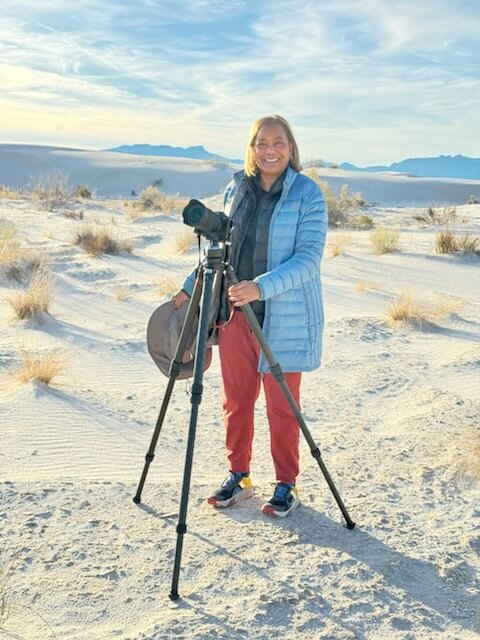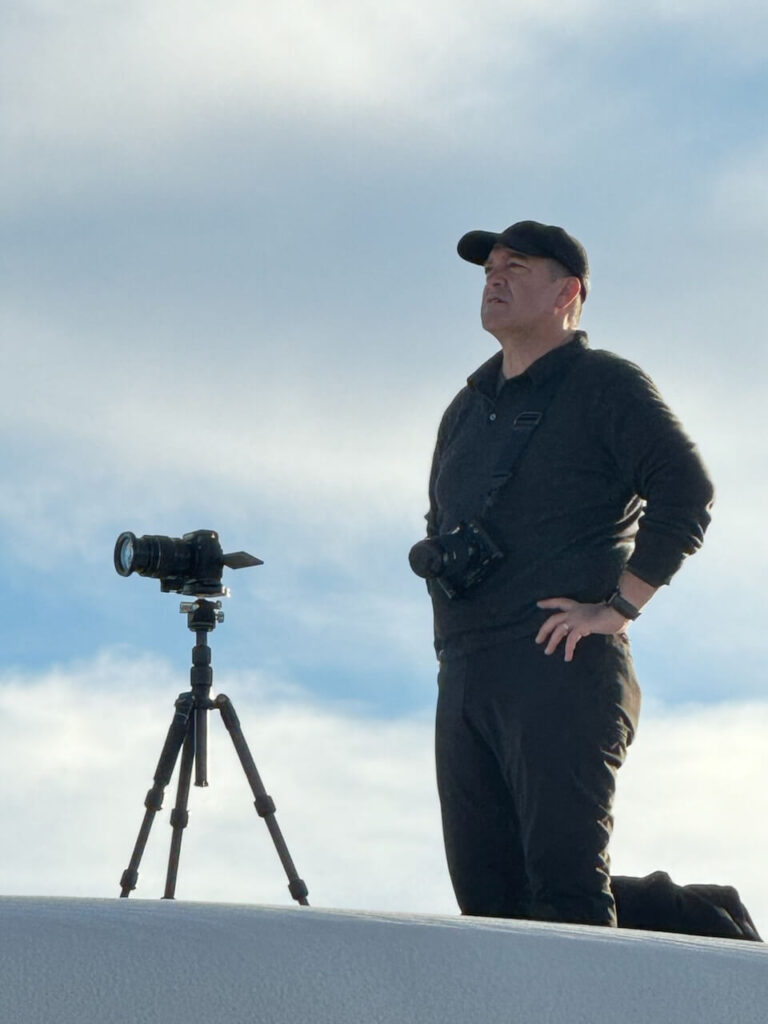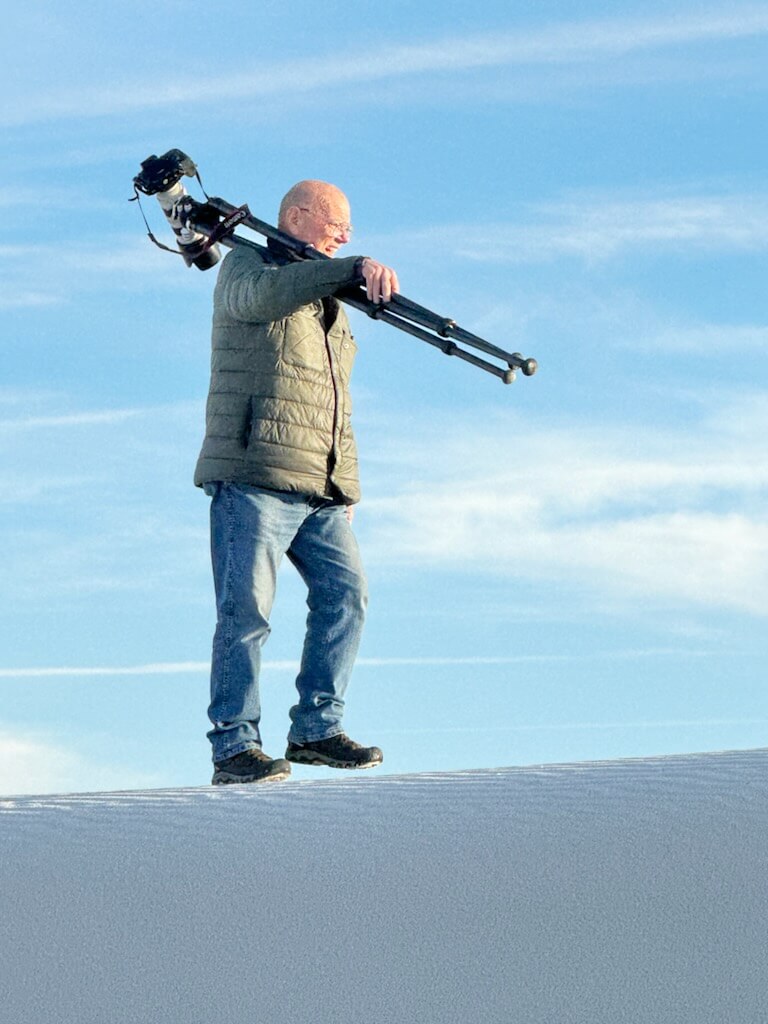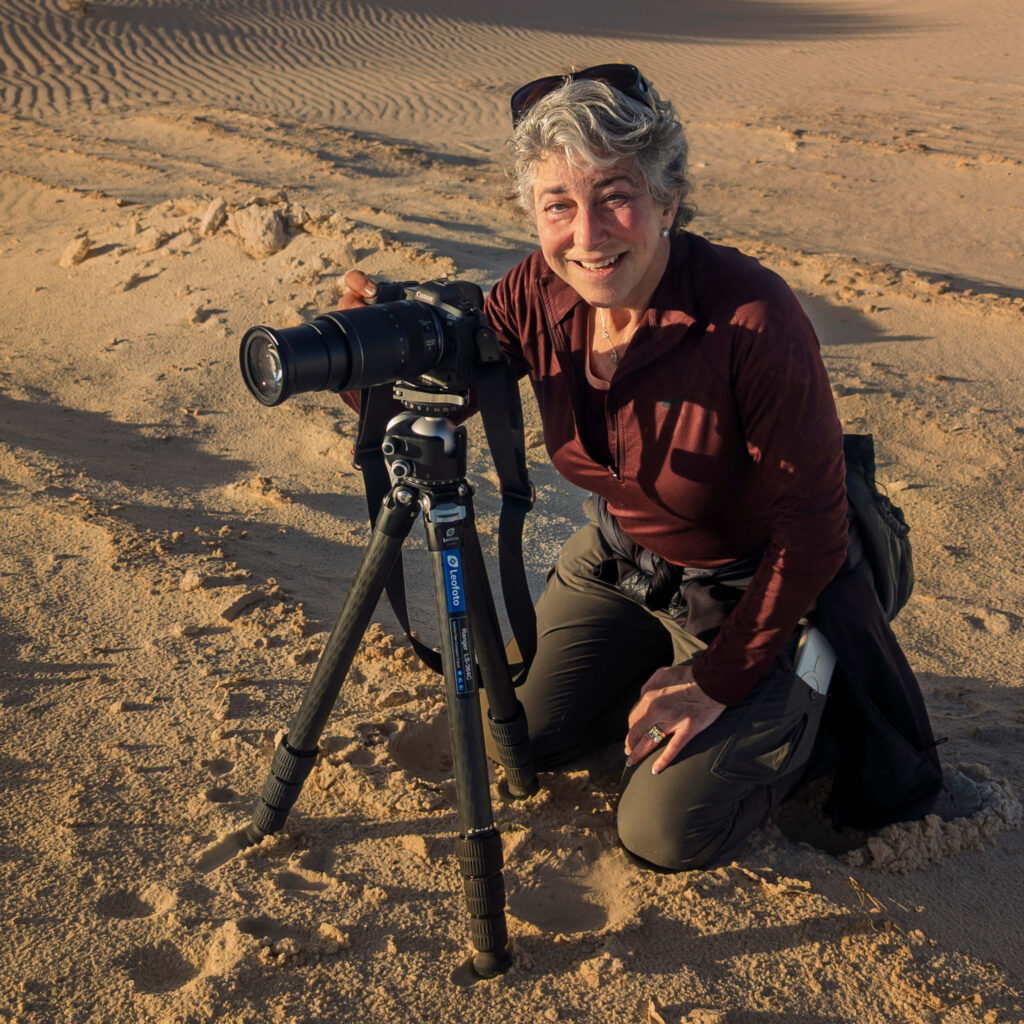
A Landscape Designed for
Artistic Exploration
White Sands is unlike any other place we teach.
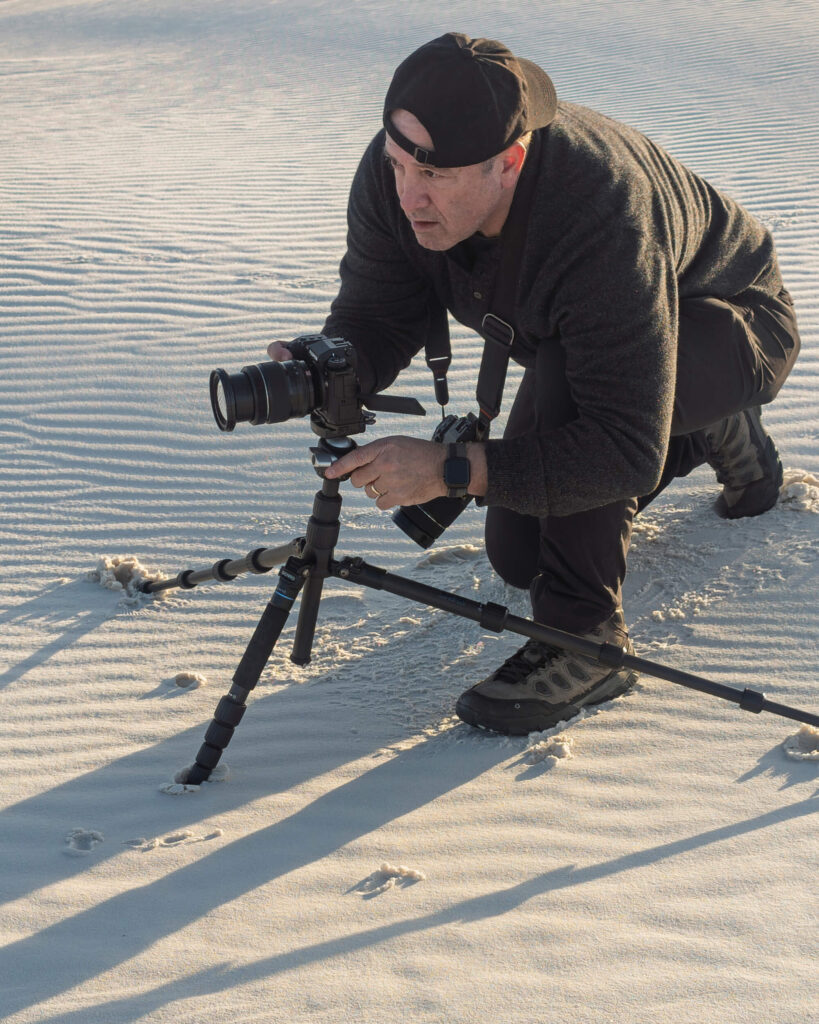
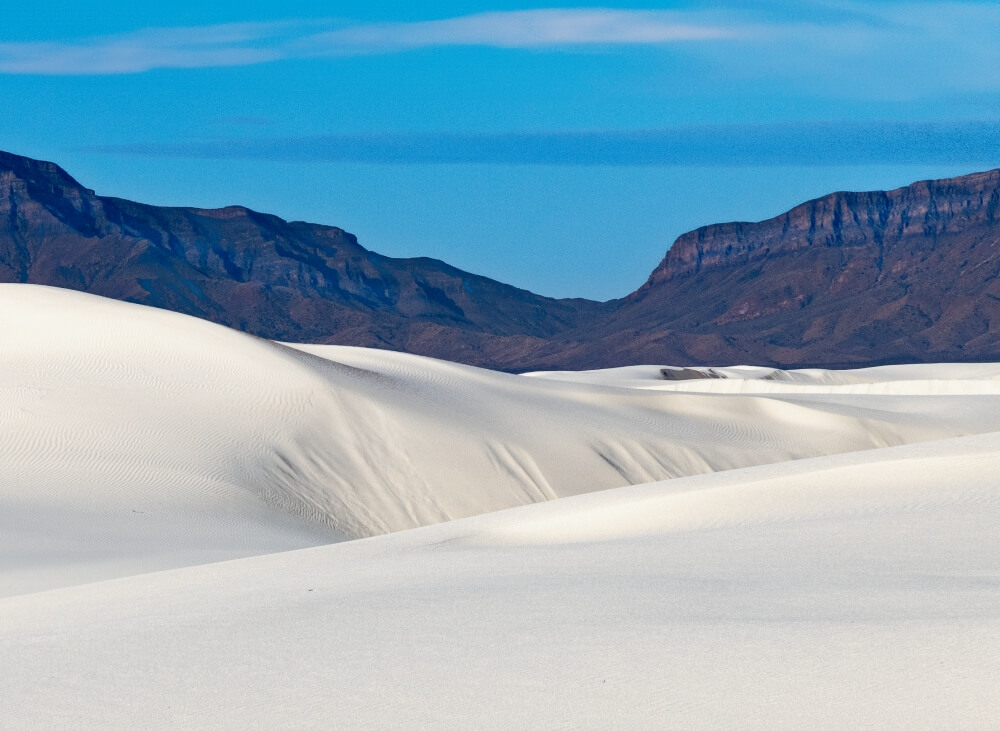
At first glance, it feels simple: sand, sky, light. But the longer you work here, the more the landscape begins to reveal itself. Wind reshapes the dunes by the hour. The gypsum surface holds delicate rills and textures. Light moves across the land in broad sweeps and quiet transitions. Under the famous skies of New Mexico, the entire basin becomes a changing study in form, atmosphere, and design.
For photographers who want to move beyond documentation, White Sands becomes a visual playground.
This is one of the rare landscapes where students can move naturally between grand scenic imagery, minimalist compositions, and abstract interpretations of the land—often within the same field session.
Why Photographers Love the White Sands Masterclass
Learning to Shape Light in the Landscape
White Sands is also one of the best places we know to teach the artistic management of light.
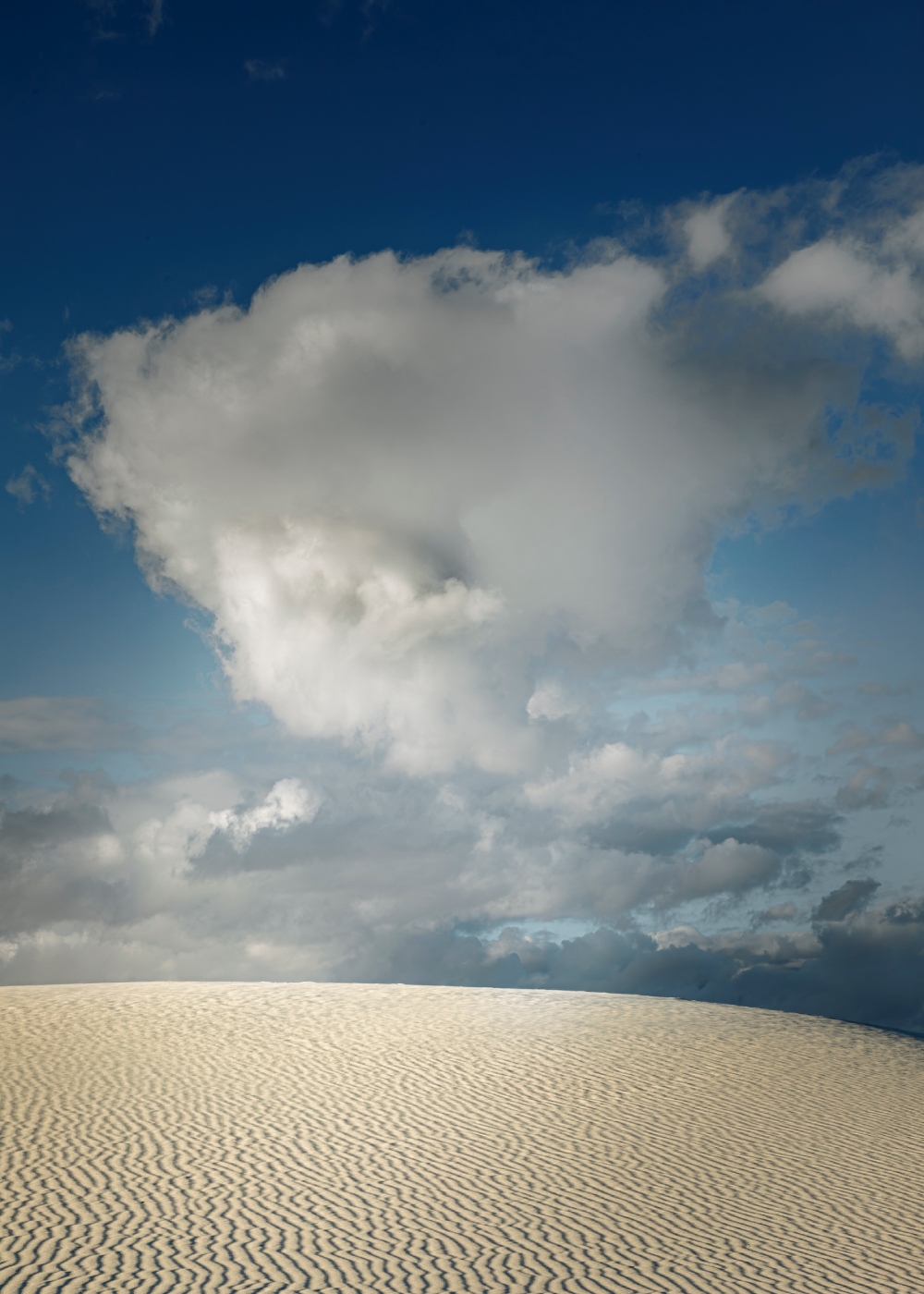
Because the dunes are sculptural, even subtle changes in light can completely transform the image. Early and late light create dimension and softness. Storm systems introduce drama and contrast. Cloud shadows sweep across the basin, creating moments of clarity, mystery, and tension.
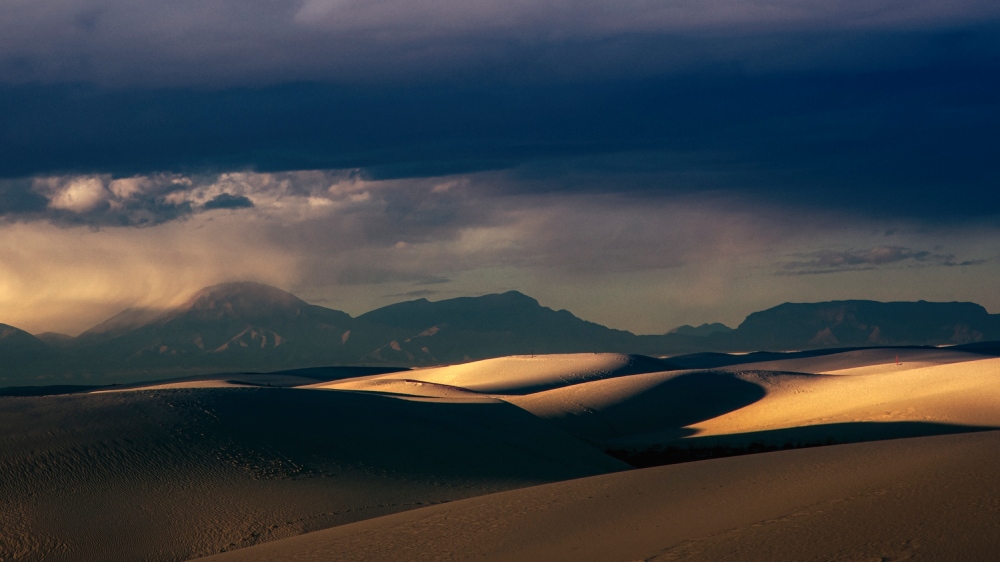

During the workshop, we help students learn how to work with these changing conditions through:
White Sands rewards the photographer who slows down, looks carefully, and begins to understand how light shapes the image's emotional and structural character.

Grand, Minimal, and Abstract
One of the great strengths of this workshop is the range of visual expression the landscape allows.
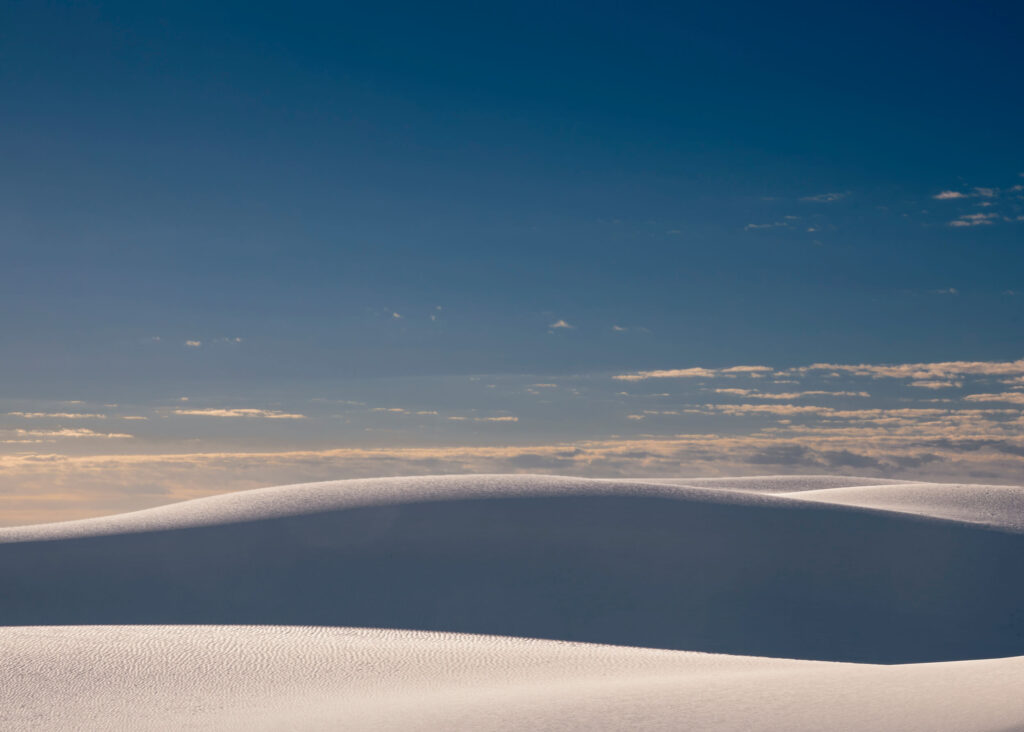
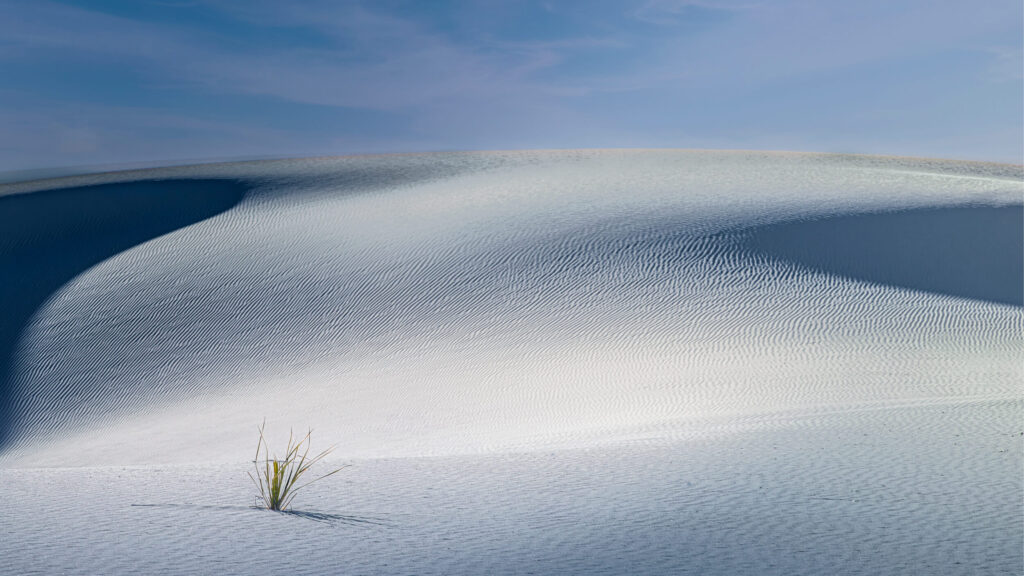
Some students come to White Sands excited by the possibility of dramatic skies, vast dune fields, and powerful scenic imagery. Others are drawn to the quiet minimalism of horizon lines, luminous surfaces, and negative space. Still others discover that the dunes invite something even more interpretive—images built around texture, gesture, repetition, and abstraction.
All of these approaches belong here.
This workshop is designed to help students recognize those possibilities and develop images that are not merely descriptive, but expressive.

Textures, Patterns, and the Surface of the Land
The surface of White Sands is one of its greatest teachers.
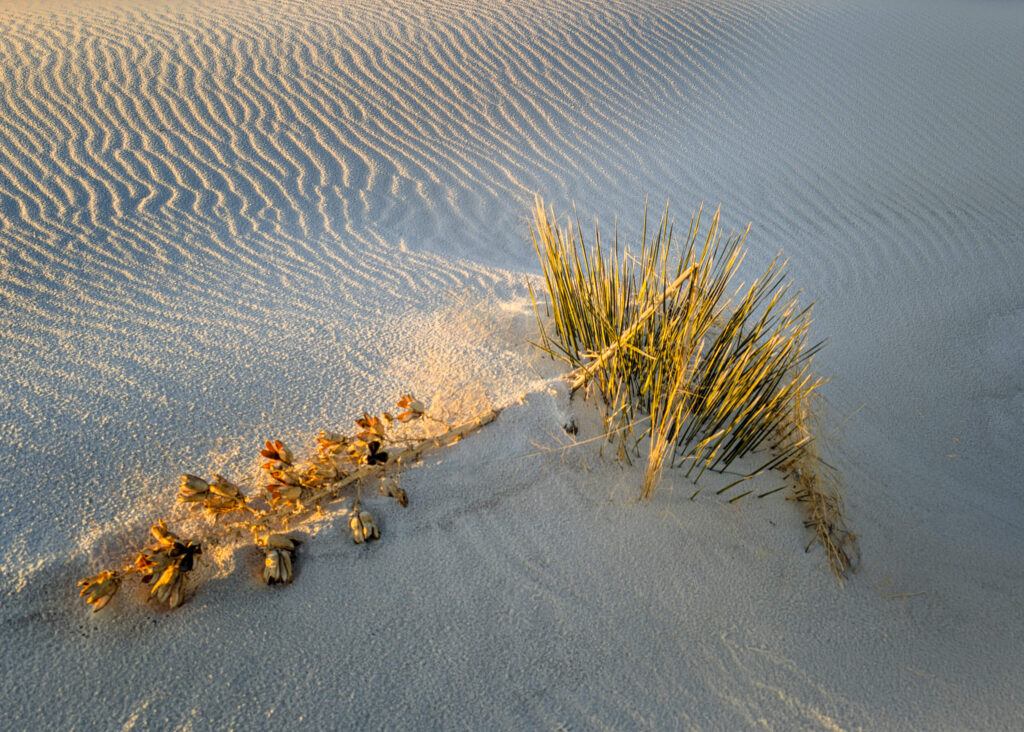
Throughout the week, we work with the subtle but powerful visual language of the dunes: wind-etched patterns, edge relationships, tonal transitions, small rises and depressions, and the quiet movement of repeated lines across the frame.
These details help students understand that strong landscape photographs do not always depend on spectacle. Often they depend on attention—on learning to see how small design elements create visual energy and emotional resonance.
This is one reason White Sands is so rewarding. It encourages photographers to move beyond simply finding a subject and into the deeper work of seeing structure, rhythm, and visual intention.
A Workshop Built for Creative Growth
Our workshops are designed for photographers who want to explore landscape art at a deeper level.
This is not a competitive photo tour. It is a learning environment built around curiosity, encouragement, and shared discovery. Students work together in the field, exchange ideas openly, and learn not only from the instructors, but from one another.
Many participants return to White Sands because the experience is more than photographic. It is also collegial. People arrive as serious photographers, but over the course of the week they begin to work as landscape art colleagues rather than competitors.
That spirit matters to us, and it is one of the reasons this has become one of the most rewarding classes we teach.
What We Explore in the Field
Each workshop day is shaped around the conditions we encounter and the visual opportunities they present. White Sands is a place that rewards flexibility, patience, and close observation.
During the masterclass, students typically work with:

Because conditions shift quickly, students gain valuable experience in responding to the landscape as it changes rather than relying on fixed formulas.
Post-Processing and Image Development The workshop does not end in the field.

As with all NPPE Masterclasses, we also work through the larger artistic process: selecting the strongest images, understanding what gives them structure, and refining them so that the final photograph reflects the student’s intent.
Post-processing discussions may include:
This helps students understand how capture, interpretation, and final presentation work together in the making of strong landscape art.
Who Is This Workshop For
The White Sands Masterclass is designed for photographers who want more from landscape photography than scenic record-making alone.
This workshop is especially well suited for those who:
Students do not need to arrive with finished answers. They do need to arrive ready to look carefully, experiment thoughtfully, and grow.
A Day in the Workshop
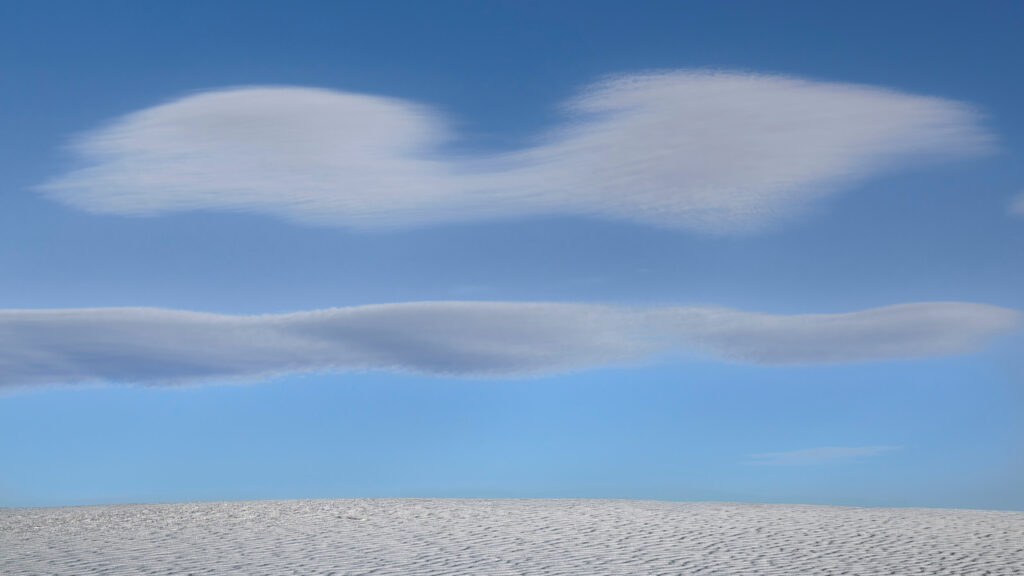
A typical day might begin in quiet predawn light, walking into the dunes as the first shape and shadow begin to appear. Later, we may return under changing weather to photograph dramatic skies, deep cloud structure, or soft transitions across the sand.
In between, we review what we are seeing, discuss compositional choices, and explore how the landscape can be interpreted in different ways by different artists.
By the end of the week, students often find that White Sands has changed not only what they photographed, but how they see.
Base Camp Lodging
Our Base Camp is the HOME2 Suites, where we have a block of rooms reserved. Please contact them directly and tell them that you are a member of the National Park Photography Masterclass, and book your room for the dates of the class.
You need to arrive on Monday, xxx, and your departure will be Saturday, xxxx
Your masterclass Starts on Monday, June 8th, at 5 PM for Safety and Orientation and runs through 5 PM Friday, June 12th.
Student Gallery
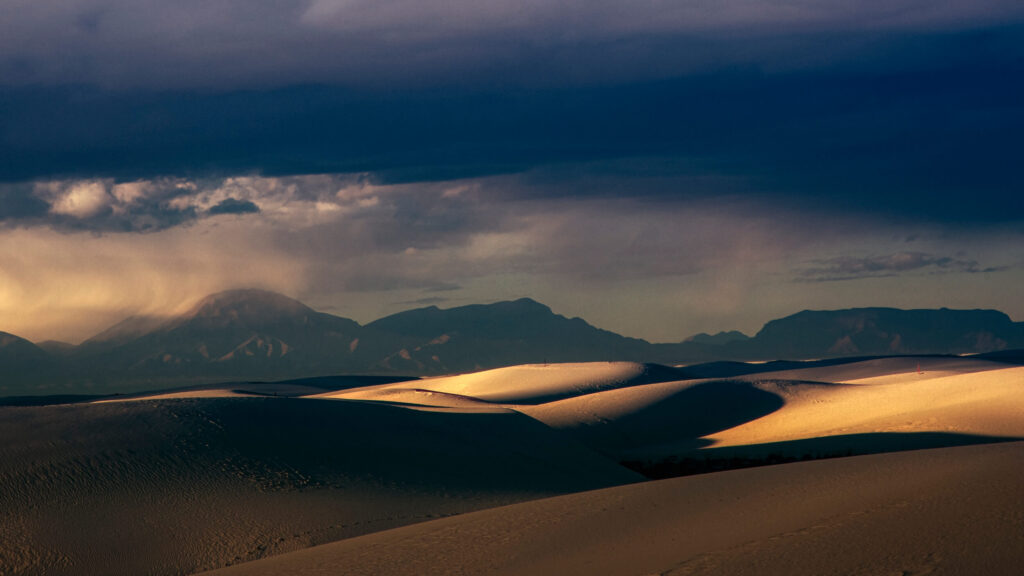





Students in the Field