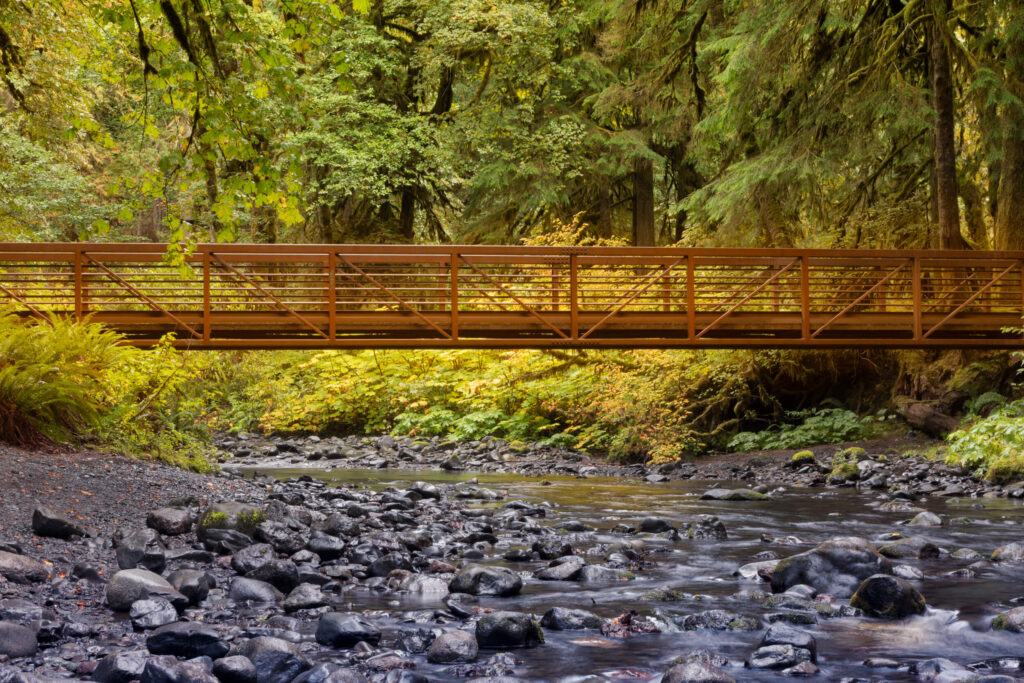
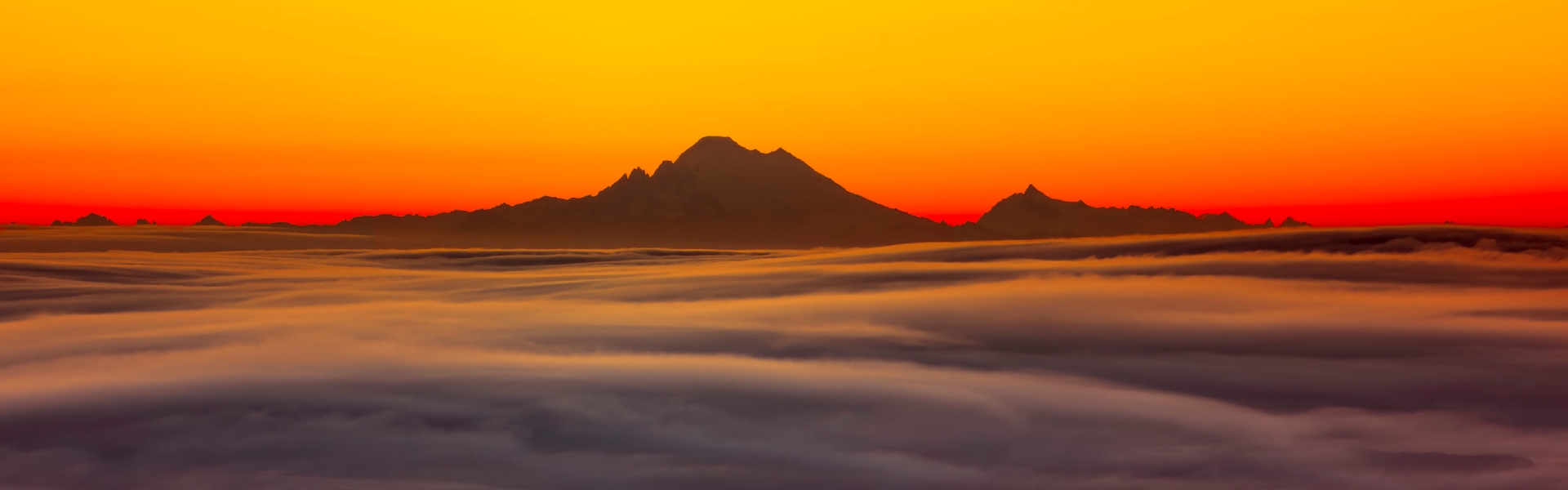
Photo Credit: Bob Killen
The Olympic National Park
Olympic National Park
Olympic National Park is one of the most visually diverse landscapes in North America—and one of the most demanding in the best possible way. Within a single masterclass, it is not unusual to work along snow-lined alpine ridges one day and deep inside temperate rainforests the next. Rain shadows give way to saturated greens; coastal light replaces forest glow.
This Masterclass is designed for photographers who want to move beyond singular “iconic views” and instead explore how environment, atmosphere, and intention shape expressive landscape work. Olympic is not about spectacle alone—it is about interpretation, subtlety, and learning to see creatively across radically different ecosystems.
Here, landscape art photography becomes an act of adaptation. Light changes quickly. Weather shapes form. Color lives in nuance. This park teaches you to slow down, respond, and create with purpose.
The Olympic National Park Masterclass Experience
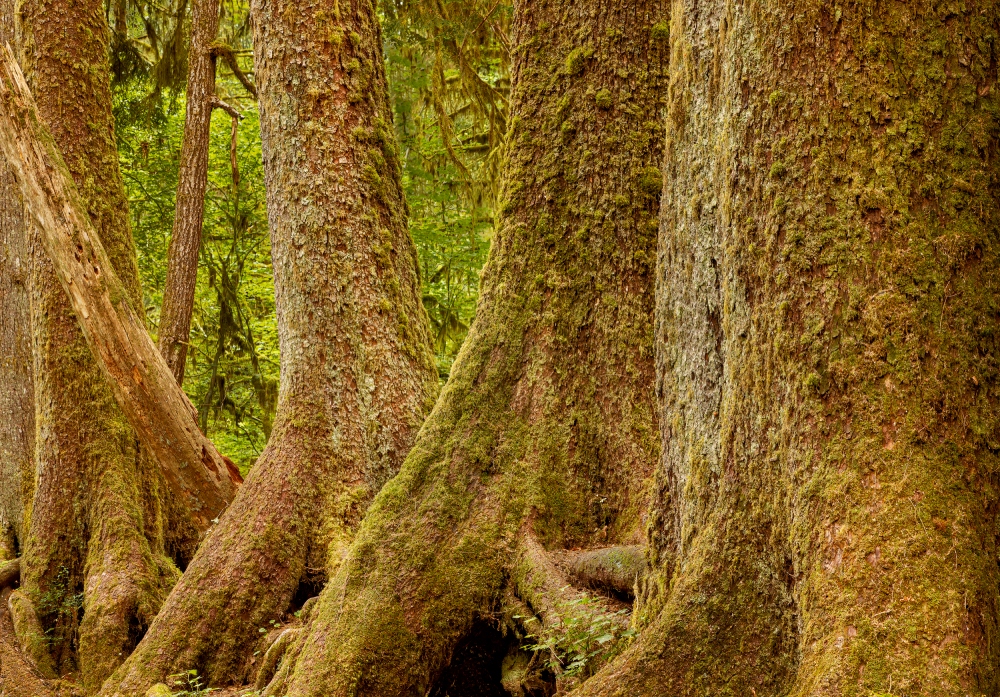
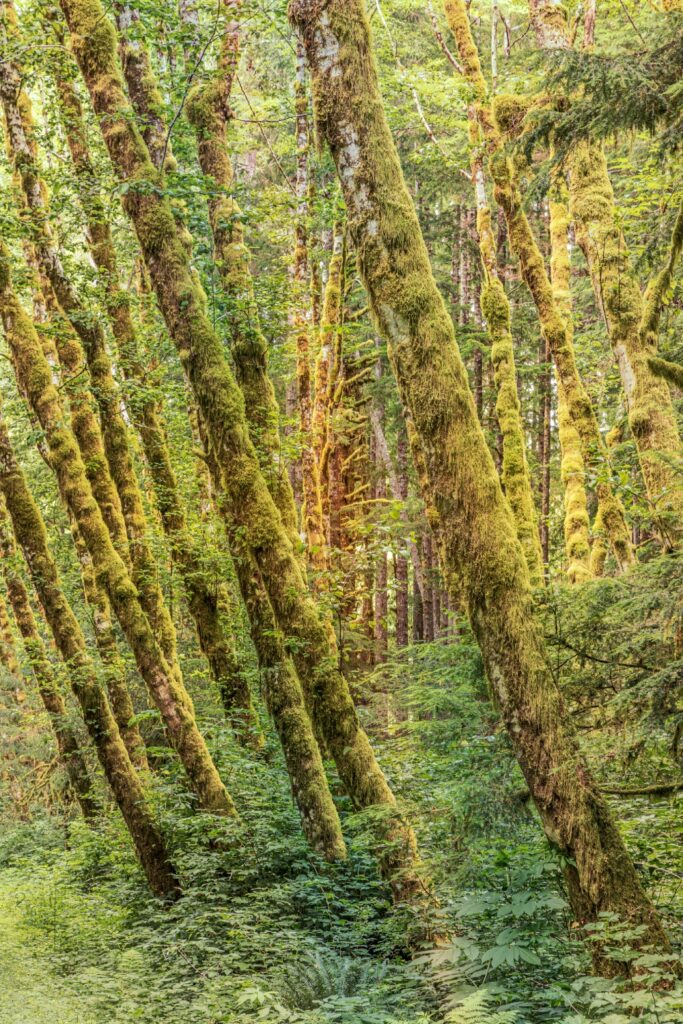
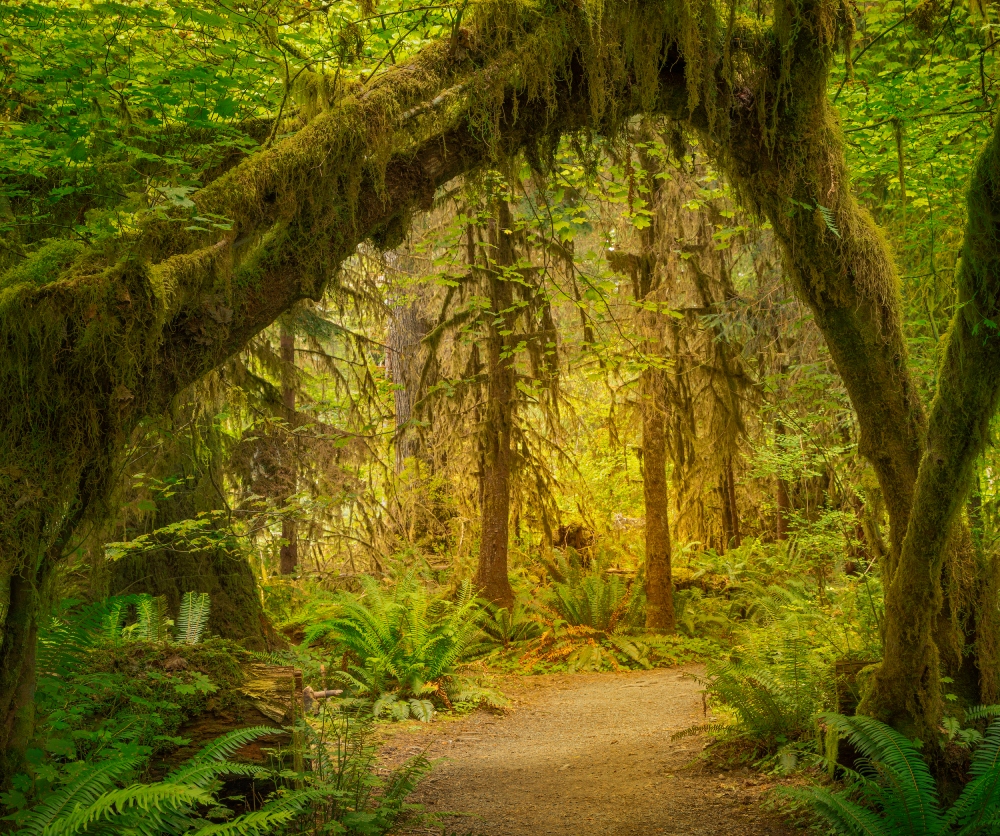
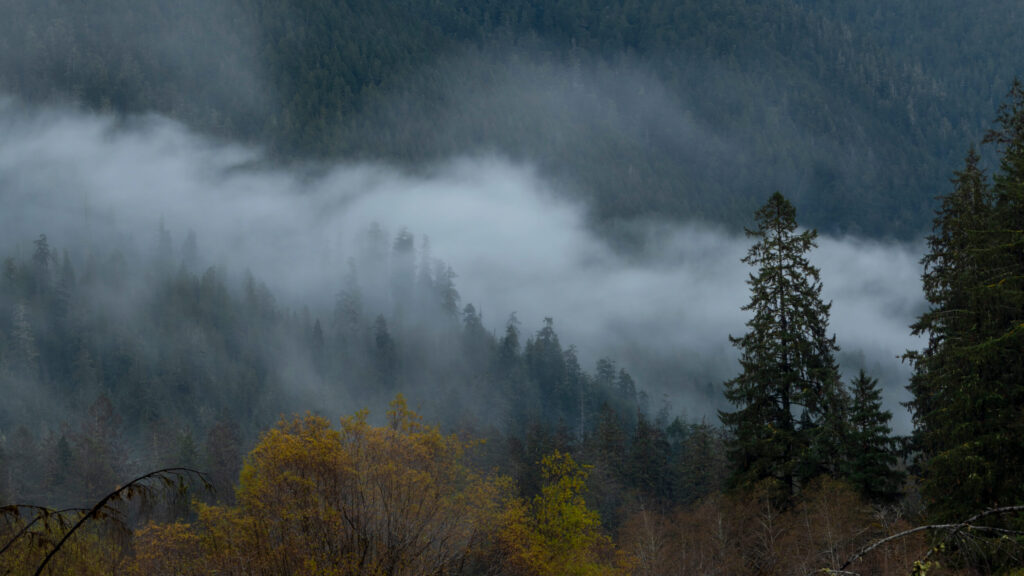
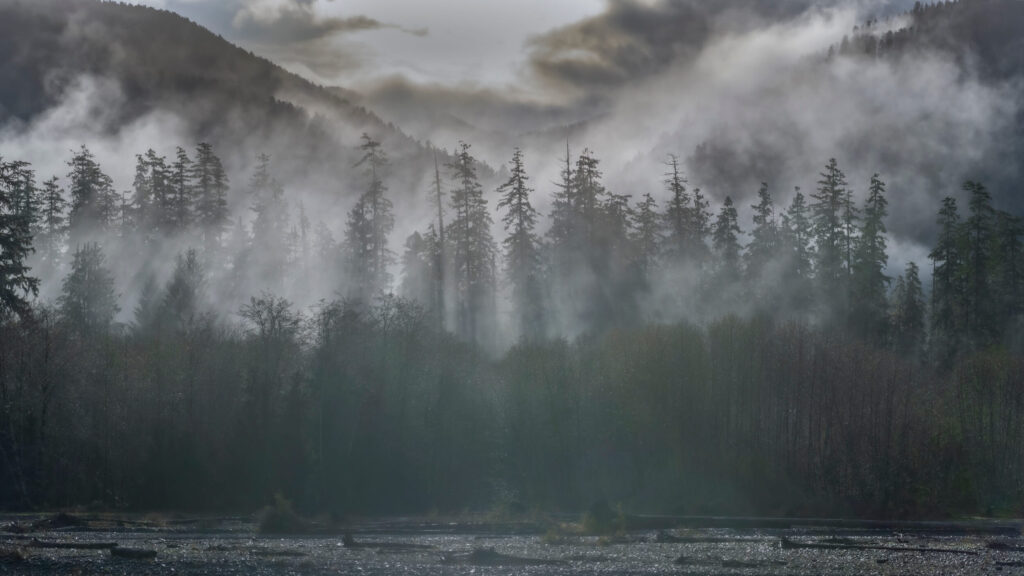
We spend significant time in the Hoh Rain Forest, working deep within old-growth stands of Douglas fir and alder. Here, the work is quiet and deliberate. We study the color of green—how saturation shifts under canopy, how fog softens form, and how vertical trunks become rhythm and gesture rather than subject. Along the Hoh River Drive, alder groves offer elegant, linear compositions that invite abstraction and visual restraint.
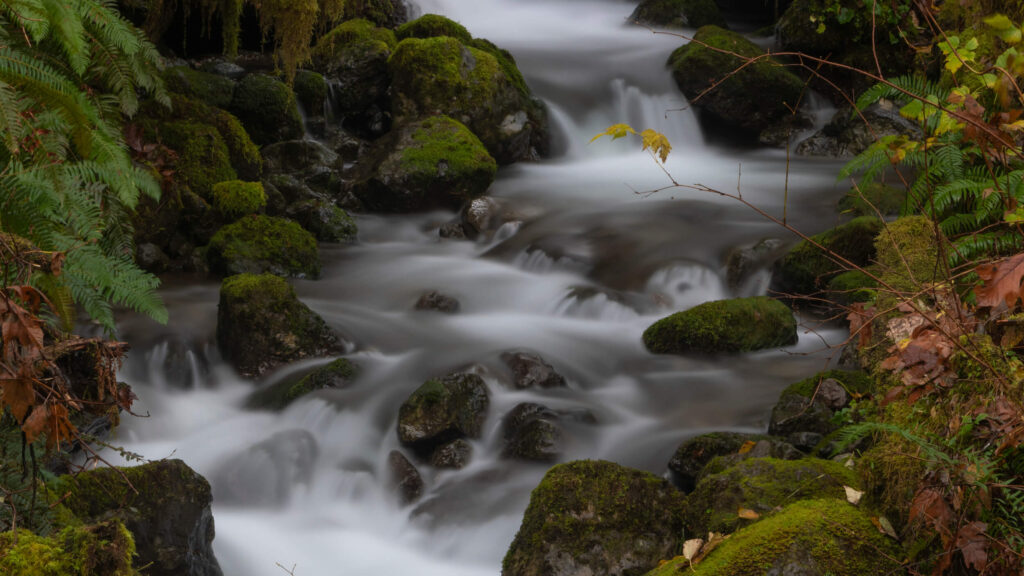
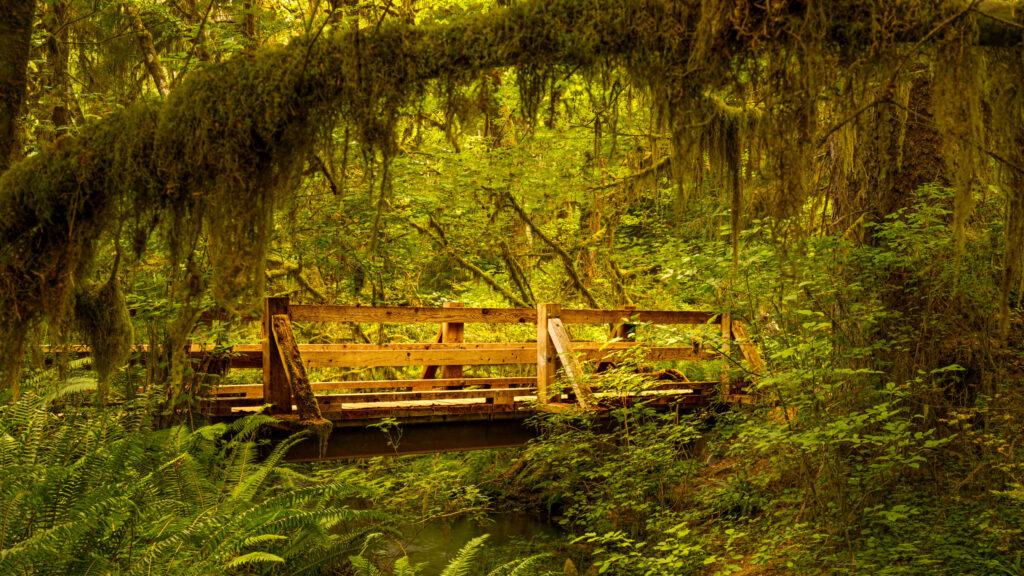
At Sol Duc Falls, the lesson extends far beyond waterfall technique. While the falls themselves provide opportunities for flow and structure, we also spend hours along the trail, working with dappled sunlight, shadow, and forest layering. These moments often produce the most compelling work—interpretive forest images that lean toward the abstract, shaped by light fragments and tonal relationships rather than literal representation.
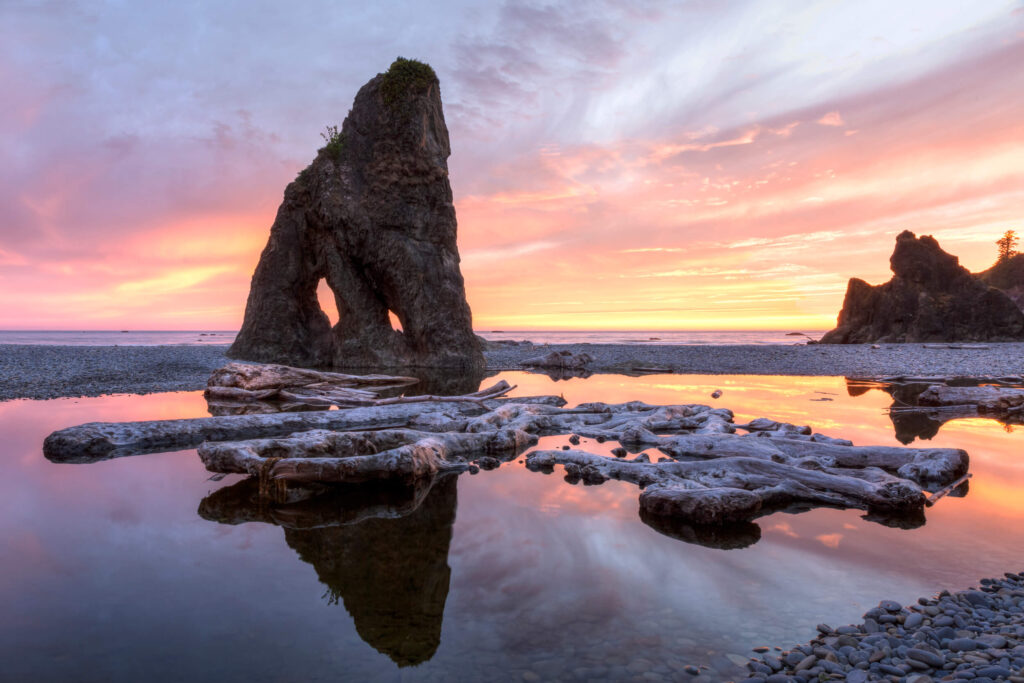
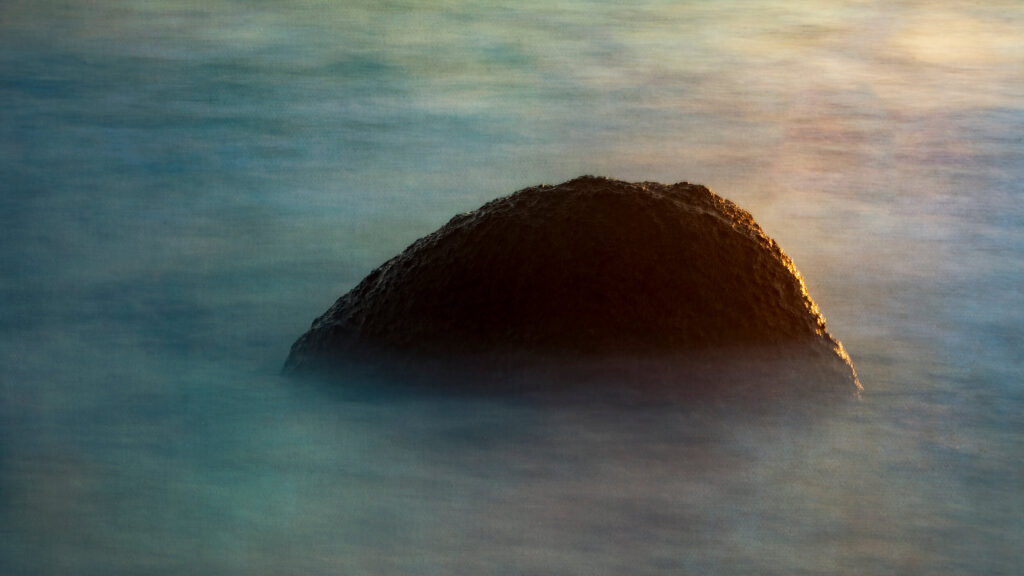
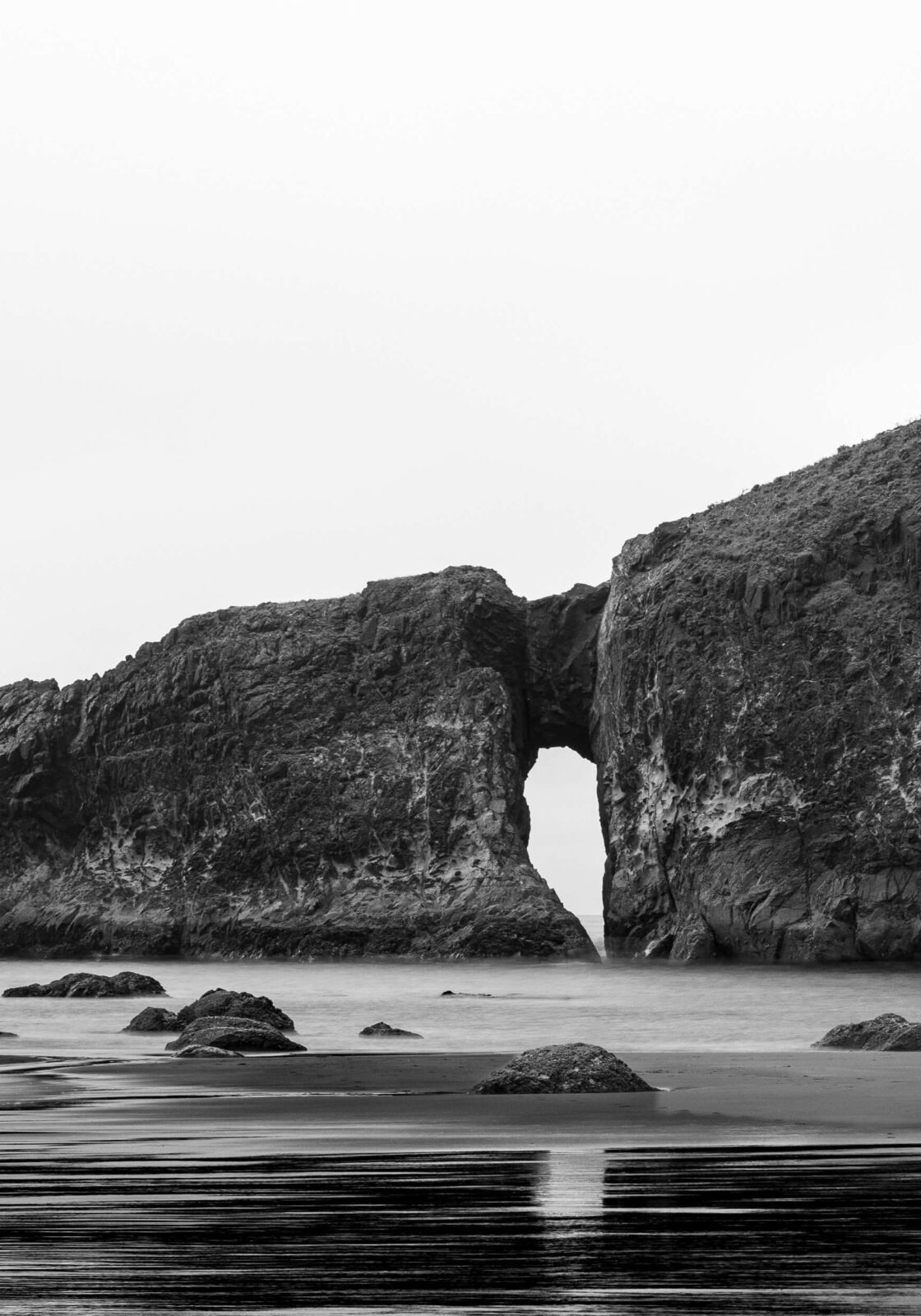
Along the coast, we work the sea stacks at Second Beach, timing our sessions carefully with the tides. Tripods move with the ocean. Compositions evolve as water recedes and returns. Tide pools, reflections, negative space, and shifting horizons become tools for expressive interpretation rather than static scenes to be captured once and left behind.
Throughout the week, we move deliberately—returning to locations as light changes, working scenes fully, and allowing your visual language to emerge naturally. This is not about chasing moments. It is about learning how to stay with a place long enough for meaningful work to happen.
Inspirational Landscape Art Locations
During the Olympic National Park Masterclass, we work across an exceptional range of environments—each selected for its interpretive potential, atmospheric conditions, and capacity to support expressive landscape work. Locations are chosen daily based on light quality, weather systems, tide cycles, and creative opportunity rather than convenience or crowds.
Locations may include:
Exact locations and timing are determined daily and may change based on weather, light, and tides. The emphasis is always on creative opportunity and visual exploration, not on checking off iconic viewpoints.
A Masterclass Is Not a Tour
This Masterclass is intentionally immersive and unhurried. You will not be rushed from location to location.
Students:
We focus on how you see—not what you see.
Post-Production Objectives
Post-production instruction is directly tied to the visual challenges of Capitol Reef and may include:
Sessions include one-on-one field and post guidance.
Enrollment
Dates, Tuition & Details
Students may register with $900 down.
NPPE Masterclasses are limited to small groups to ensure meaningful one-on-one instruction and depth of experience.
Need Special Arrangements? Just Ask!.
What’s Included
- Daily field instruction: Work the Camera/Work the Scene
- One-on-one mentoring
- Creative Segmentation post-production training
- Home workflow post-production sessions
- Transportation from base camp to field locations
Not Included
- Lodging
- Meals
- Transportation to/from base location
Physical Requirements: Easy. Participants must be able to walk up to 1.6 miles on uneven ground with mild to moderate elevation changes.
Base Camp Lodging
Our Base Camp is the Holiday Inn in Sequim, WA where we have a block of rooms reserved. Please contact them directly and tell them that you are a member of the National Park Photography Masterclass and book your room for the dates of the class. You need to arrive on Monday June 15th, and your departure will be Saturday June 20th.
The Holiday Inn is located at
1441 East Washington Street Sequim, Washington 98382
Front Desk
Your Masterclass Starts on Monday June 15th at 5 PM for Safety and Orientation and runs through 5 PM Saturday June 20th.
Student Gallery